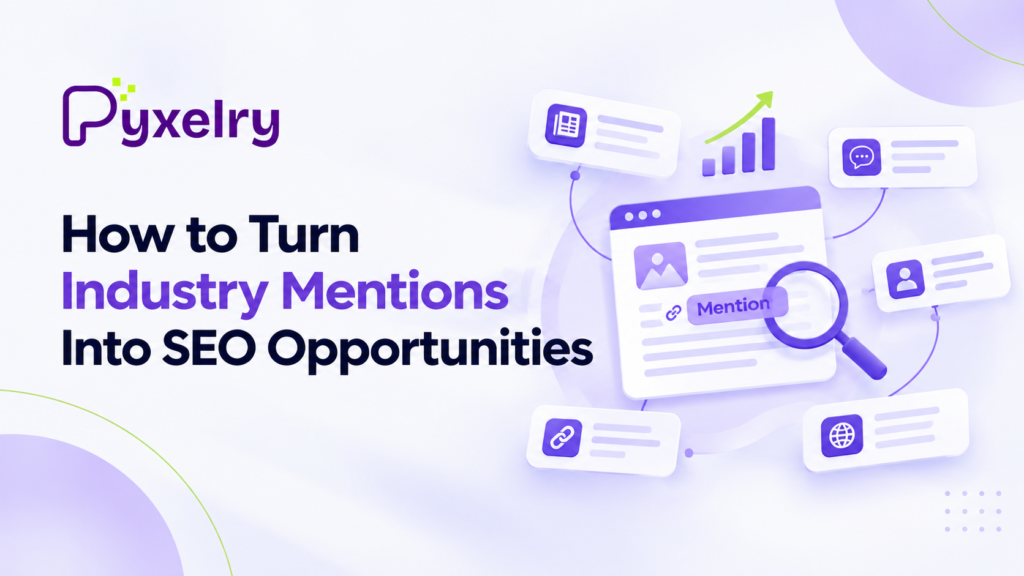
Many of the most valuable link opportunities are already published across the web. When browsing industry blogs and guides, you will often find articles that mention a topic, statistic, tool, or concept without linking to the best available resource. Identifying these gaps allows you to uncover genuine opportunities for contextual backlinks that benefit readers and publishers alike.
Rather than treating every published page as a potential target, the goal is to look for genuine editorial alignment. Here is a practical approach to finding and evaluating these opportunities.
What Makes an Existing Article a Potential Opportunity
Not every piece of content is suited for a reference addition. Strong opportunities share a few distinct traits that signal a natural fit for contextual backlinks:
- Topical relevance: The page naturally intersects with your niche or expertise.
- Content quality: The article is well-written, informative, and provides real value to its audience.
- Editorial context: The surrounding text discusses a subject that could genuinely benefit from further clarification, supporting data, or a helpful tool.
Identifying Editorial Gaps
As you read through industry content, keep an eye out for specific openings where a link would naturally add value. Look for outdated statistics that need fresh data, complex concepts mentioned in passing without a detailed guide, or weak external links that fail to point to an authoritative source.
How to Discover and Evaluate Target Pages
Discovering these pages requires looking beyond broad keywords. Use topic-focused search queries, explore industry publications, and look through curated resource pages in your niche.
Using Competitor Research Effectively
You can also accelerate your research through competitor analysis. By reviewing where your industry peers have earned links, you can identify established publications that already discuss your core subjects. Keep in mind that every potential page found through competitor research still requires an independent evaluation.
Reviewing Website Quality
Before reaching out to a publisher, evaluate the website carefully. Check its overall credibility, audience fit, and whether it maintains a clean editorial standard. Avoid sites that look spammy, display excessive advertisements, or publish low-effort content. Pay close attention to structural link dynamics as well understanding sidebar vs footer links placement helps you distinguish between true editorial body links and low-value boilerplate sections.
Matching the Destination Page and Approaching Publishers
When you spot a gap where a link could fit, ensure your proposed resource is the exact right fit for the context. A comprehensive guide, an original research study, or a practical tool will almost always outperform a generic homepage. The linked page should directly support the specific point being discussed in the paragraph.
Crafting a Natural Outreach Approach
When you reach out to suggest an addition, avoid generic templates or demanding requests. Your message should specifically reference the article, point out the exact paragraph or concept where the resource fits, and explain neutrally why the addition improves the reader’s experience.
A Practical Mini-Example
Imagine you publish an in-depth guide on remote team productivity metrics. While reading a well-known management blog, you find an article discussing how daily check-ins reduce burnout. The author mentions a common statistic about remote fatigue but does not cite a source or provide tools to measure it. You can reach out to note that your comprehensive study on remote check-in frameworks provides the exact data and templates their readers might find helpful.
Knowing When to Walk Away
Not every prospect is worth pursuing. Skip opportunities involving irrelevant articles, low-quality websites, pages overloaded with outbound links, or obvious link networks. If the suggested reference does not genuinely help the reader, leave it alone.
The strongest opportunities for contextual backlinks are built on mutual benefit. When your suggested resource genuinely improves an existing article, the outreach feels natural and serves the audience first.