
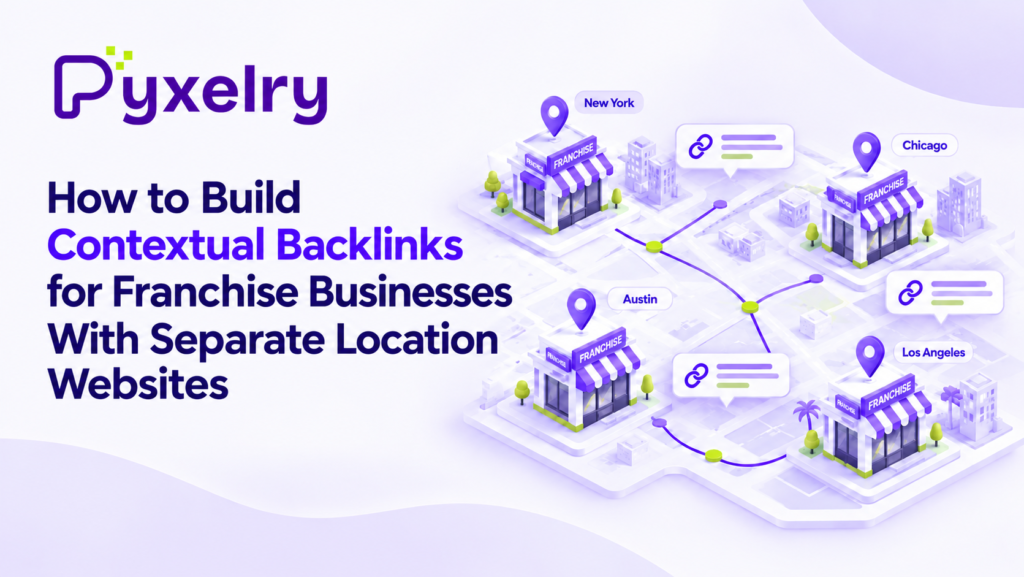
Managing search engine optimization for multi-location franchises presents distinct operational challenges. When each branch operates its own independent website or dedicated landing page, acquiring relevant, high-authority inbound links requires careful coordination. Building contextual backlinks for franchise businesses is essential for establishing regional organic search visibility, driving localized traffic, and increasing search engine trust across every market you serve.
Challenges of Multi-Location Franchise Link Building
When individual branches manage separate websites or distinct subfolders, link building quickly becomes complex. A common hurdle is internal competition, where multiple locations unknowingly reach out to the same media outlets, blogs, or regional directories. This redundant outreach leads to publisher fatigue and damages the brand’s reputation.
Additionally, multi-location brands struggle to maintain local geographic relevance. A backlink from a prominent national trade publication may build general domain authority, but it rarely signals local prominence to search engines for a specific city or suburb.
Identifying Local and Industry-Relevant Link Partners
To build strong contextual backlinks for franchise businesses, digital marketing teams must target organizations that naturally align with specific geographic markets:
- Local News Outlets and Regional Blogs: Local journalists frequently report on store openings, local hiring initiatives, and executive milestone announcements.
- Chambers of Commerce and Business Associations: Joining regional business groups usually provides a reputable contextual directory listing or feature article.
- Community Organizations and Nonprofits: Sponsoring regional youth sports teams, local charities, or community events yields natural editorial links on event pages and donor rosters.
- Location-Specific Resource Guides: Local lifestyle hubs and municipal resource lists regularly feature service providers categorized by neighborhood.
For instance, a commercial cleaning franchise operating branches in Austin and Denver should tailor its outreach strategy to each distinct market. The Austin location might secure an editorial link within a local green-business journal by sharing eco-friendly office tips. Meanwhile, the Denver branch could earn a contextual link from a regional real estate blog by guest-authoring an article on preparing commercial properties for winter weather.
Principles of Contextual Relevance and Quality Evaluation
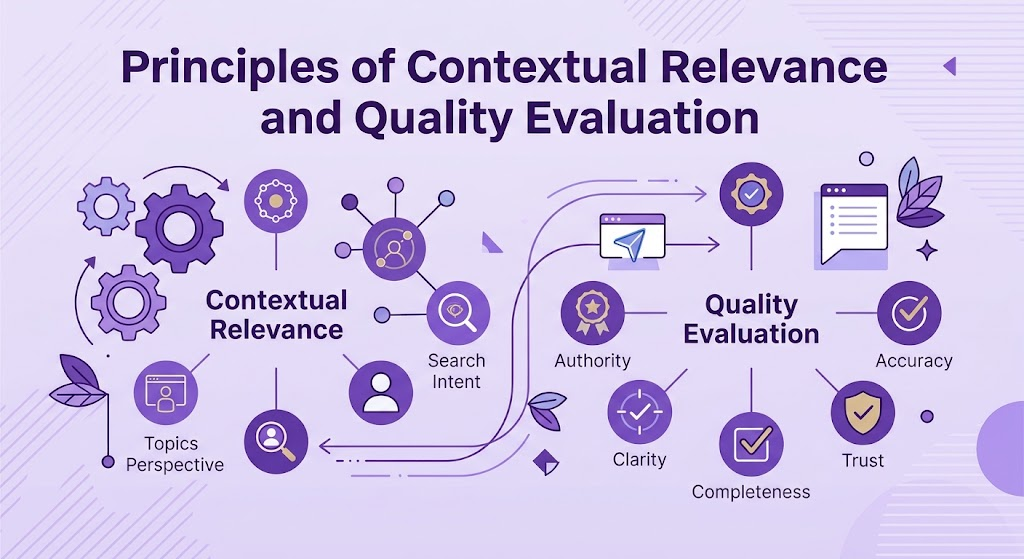
Evaluating link opportunities based solely on broad domain metrics (such as Domain Authority or Domain Rating) can be misleading for local businesses. A lower-metric site focused specifically on a target neighborhood offers far greater local contextual signal than an unrelated high-metric site.
When evaluating potential publishers, focus on:
- Topical and Geographical Relevance: Ensure the publication’s primary audience resides in the location served by the franchise branch.
- Editorial Integrity: Aligning your vetting process with strict quality publisher criteria ensures you target sites with genuine readership, active editorial oversight, and natural content distribution.
- In-Content Placement: Links embedded naturally within the body paragraphs of a relevant article pass significantly more contextual value than footer or sidebar placements.
Avoiding Common Franchise Link Building Mistakes
Acquiring contextual backlinks for franchise businesses requires strict operational guidelines to protect long-term search engine visibility:
- Centralize Outreach Tracking: Implement shared tracking systems across all branches to prevent duplicate pitches to the same regional publishers.
- Route Links to Specific Landing Pages: Avoid directing all inbound links to the corporate homepage. Backlinks meant for a specific branch must point directly to that location’s designated website or landing page.
- Vary Anchor Text: Using excessive exact-match anchor text (such as “plumber in Chicago”) creates an artificial link profile. Focus instead on brand names, natural phrases, and varied location descriptors.
- Avoid Irrelevant Sitewide Links: Steer clear of footer links across unrelated networks or sitewide blogroll links, as search engines often discount or flag them as artificial.
Maintaining Consistent Brand Identity Across Markets
While each franchise location needs a tailored, market-specific link acquisition strategy, overall brand standards must remain uniform. Provide individual franchisees or local managers with clear guidelines detailing approved brand messaging, boilerplate descriptions, and target URL structures. Implementing scalable link building
protocols alongside a streamlined corporate approval process ensures local link acquisitions build authentic local relevance while preserving the brand’s overall authority and search engine standing.